
Buy and sell used items with confidence, not guesswork.
Cravyns d.o.o. gathers practical, independent guidance on second-hand shopping — from spotting a fair price to avoiding common scams — so you can shop and sell smarter, sustainably.
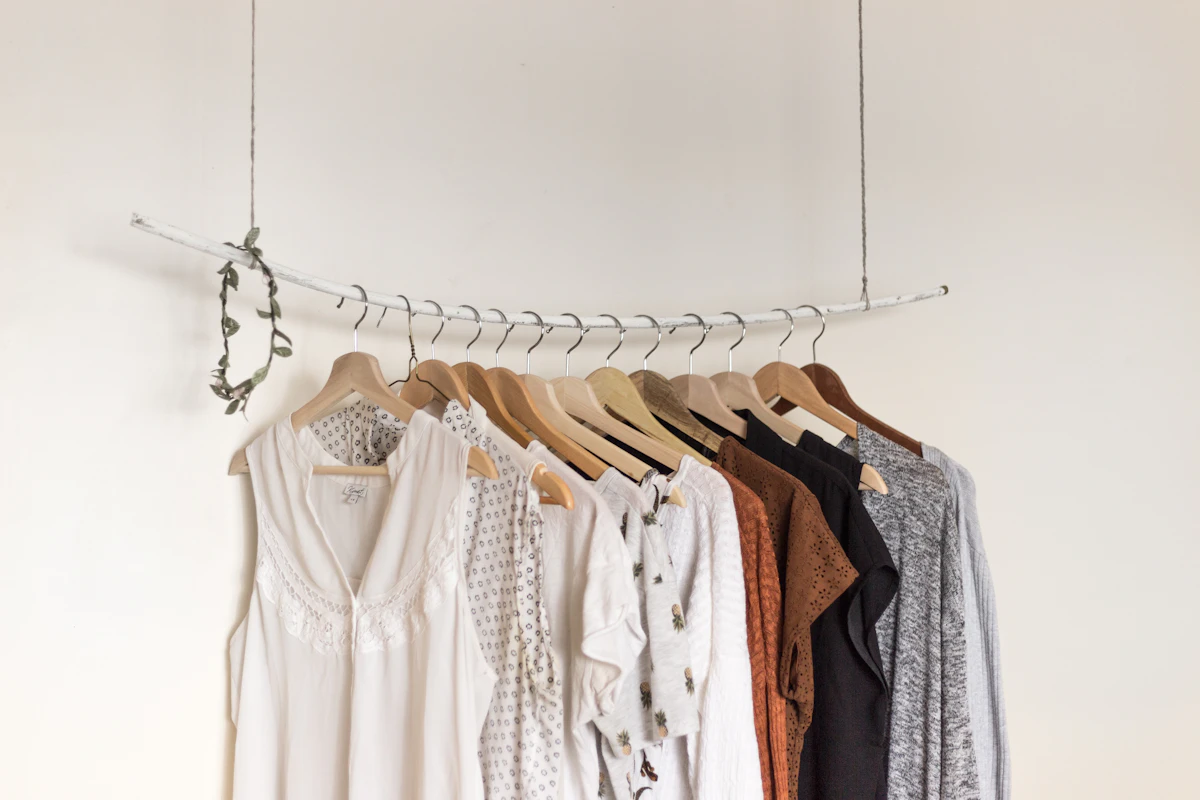
Second-hand shopping is booming — and so is the confusion around it
More people are buying pre-owned goods every year, whether to save money, reduce waste, or find something unique. But the used-goods market also has its own rules, risks, and etiquette. We break it down in plain language.
Inspect before you commit
Learn what to check on clothing, electronics, and furniture before agreeing to a purchase, whether in person or online.
Avoid common scams
Understand the warning signs of fraudulent listings, fake payment links, and pressure tactics used on resale platforms.
Judge a fair price
Get a general sense of how condition, brand, age, and demand affect what a used item is reasonably worth.
A simple checklist before every second-hand purchase
Whether you are meeting a seller locally or buying through an online marketplace, a few habits go a long way toward a safe, satisfying purchase.
- Ask for extra photos and a short video of the item in use.
- Request the item's history: age, usage, repairs, and reason for selling.
- Meet in a public, well-lit place if collecting in person.
- Compare the asking price with similar listings before deciding.

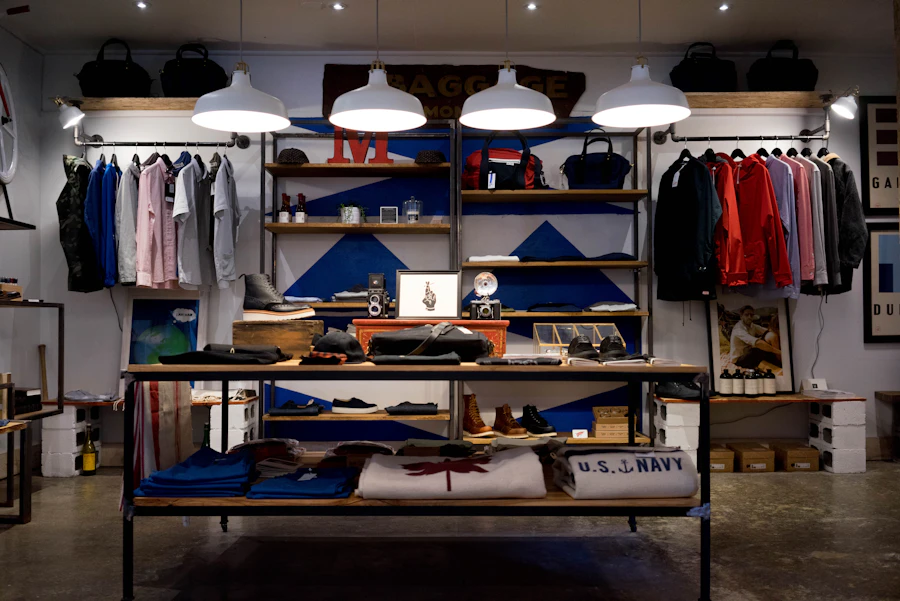
Selling your own items? Start here.
Clear photos, honest descriptions, and realistic pricing are the foundation of a smooth sale. Our guides walk through how to prepare an item, write a description buyers trust, and communicate safely with interested buyers.
Read our approachInformational purposes only
Cravyns d.o.o. does not operate a marketplace, does not list items for sale, and does not process any payments or paid services. Everything on this site is general information intended to help you make your own informed decisions.